
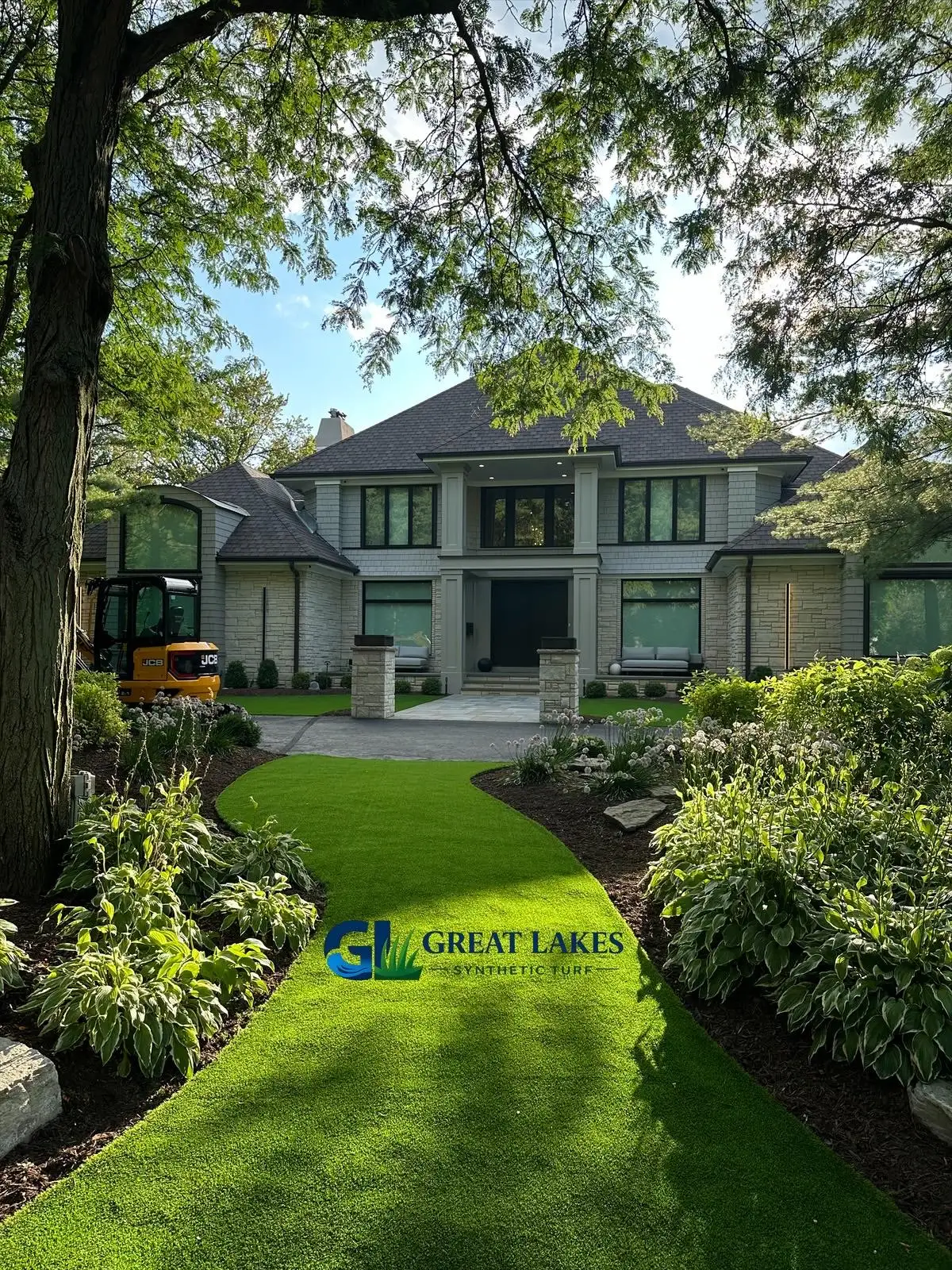
Luxury home with professionally installed artificial turf lawn by Great Lakes Synthetic Turf

Artificial Turf Installation Across Michigan

Based in White Cloud and serving properties statewide, Great Lakes Synthetic Turf provides owner-operated artificial turf installation for lawns, dog yards, backyard putting greens, and commercial spaces. Every recommendation starts with the property: drainage, grade, site access, edge transitions, and how the finished surface needs to perform.

Build Your Turf Estimate Online

Use Great Lakes Synthetic Turf's online estimator to share the project location, measurements, photos, and the way you want the finished space to perform.

Start My Turf Estimate

Your details go directly to the Great Lakes Synthetic Turf team for review and follow-up.

Artificial Turf Installation in Michigan: What the Process Includes

A durable installation starts with the actual Michigan property, not just a turf sample. Great Lakes Synthetic Turf reviews grade, soil conditions, runoff, downspouts, low spots, gate access, pet traffic, shade, and nearby hardscape before recommending the turf product, aggregate base, edge system, and infill.

The installation scope can include removing grass and other organic material, shaping the subbase, placing and compacting drainage stone, securing the perimeter, fitting and seaming the turf, adding infill, and grooming the surface. A shaded side yard, dog run, putting green, pool surround, commercial space, and full lawn replacement each call for different preparation and finish details.

Some property owners call the surface artificial turf, synthetic turf, or artificial grass. Whatever the term, the finished system still needs to manage water, hold clean transitions, and match the daily use of the space.

That site-by-site planning matters across Michigan. Great Lakes Synthetic Turf serves communities from Petoskey and Rockford to Novi and Birmingham, with the same attention to shade, runoff, snowmelt, access, and seasonal ground movement.

What Belongs in the Installation Scope

  • Excavation, grading, base depth, and aggregate compaction
  • Drainage corrections around slopes, low spots, and downspouts
  • Turf selection based on pets, foot traffic, golf, or lawn use
  • Access for equipment, base stone, material staging, and haul-off
  • Seams and transitions into patios, beds, fences, and walkways
Request a Site-Specific Estimate
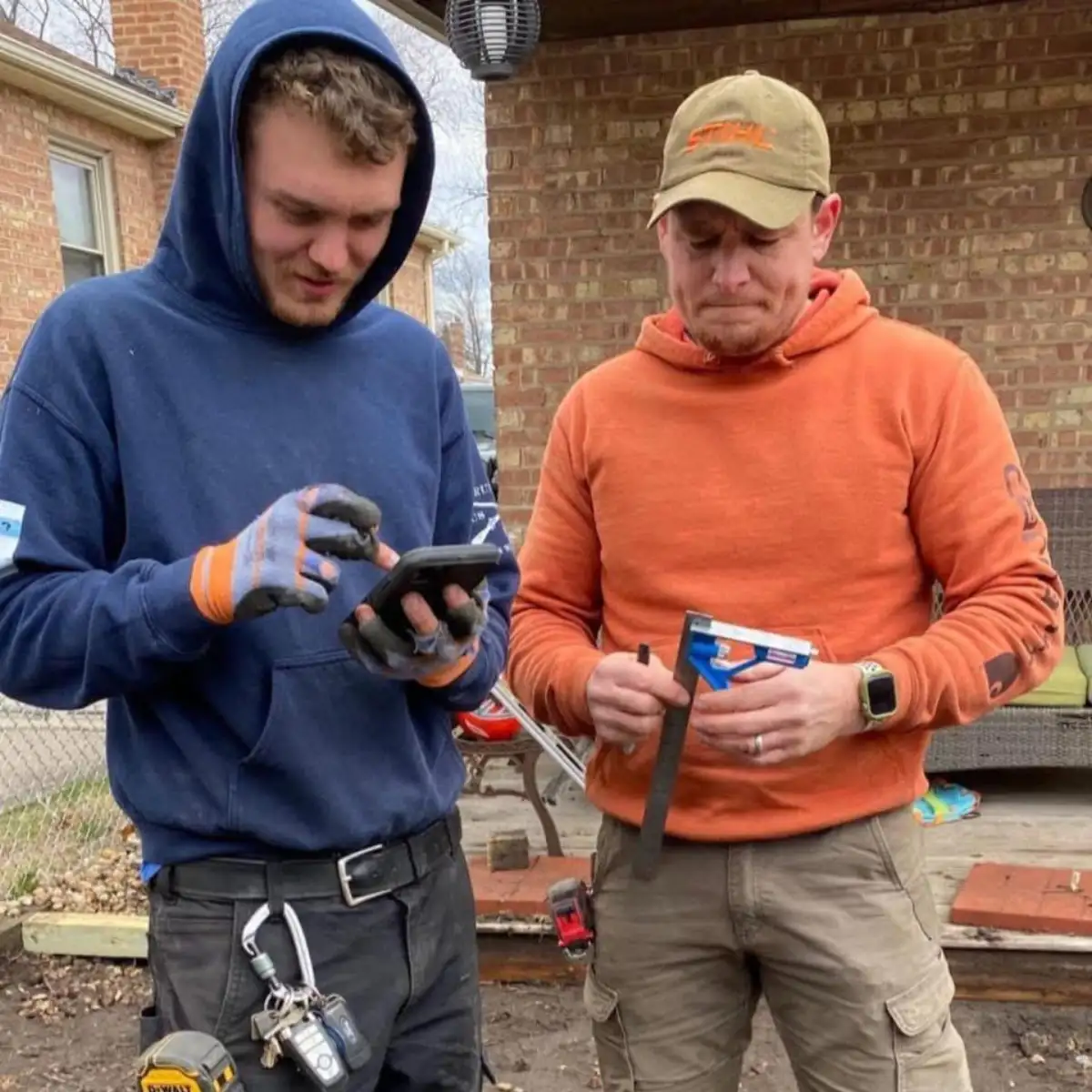
Great Lakes Synthetic Turf team on a job site in Michigan

Family-Owned. Owner-Operated. Michigan Built.

Great Lakes Synthetic Turf was founded with one goal: bring commercial-grade turf installation quality to every homeowner and business in Michigan. Based in White Cloud and serving the entire state, we treat every project like our reputation depends on it -- because it does.

We use proper drainage stone bases where others skip the step. We build framed edge systems with solid perimeter boards where others just tuck and nail. We source American-made turf where others import the cheapest product they can find. These differences show up in year one, and they define the installation in year ten.

Learn About Our Team

Questions Michigan Property Owners Ask Before Installing Artificial Turf

A complete artificial turf installation typically includes removing organic material, grading the subbase, placing and compacting drainage stone, securing the perimeter, fitting and seaming the turf, adding the appropriate infill, and grooming the finished surface. The exact base depth, drainage work, and edge details depend on the property and how the space will be used. See our artificial turf installation process for a closer look at the system.

Rain, snowmelt, low spots, downspouts, pet use, and freeze-thaw cycles all affect the base below artificial turf. The installation plan should move water away from the surface, use compacted aggregate rather than organic soil, and keep the perimeter stable through seasonal ground movement. Our Michigan artificial turf drainage guide explains what to evaluate before installation.

Project size is only one part of an artificial turf estimate. Turf selection, excavation, equipment access, grading, drainage work, seams, perimeter edges, infill, transitions, and material haul-off can all affect the final scope. Read the Michigan artificial turf cost guide, then request a site-specific estimate to compare the complete installation.

Installation timing depends on ground conditions, weather, drainage work, material access, and the size of the project. A site review helps determine whether excavation and base compaction can be completed properly and gives you a realistic schedule for the specific space. Read our guide to the best time to install artificial turf in Michigan for more seasonal planning considerations.

Routine care can include removing leaves and debris, rinsing pet areas, brushing high-traffic fibers, checking edges and seams, and clearing snow carefully when access is needed. The right care depends on the turf system, surrounding trees, drainage, pets, and how often the space is used. See our Michigan artificial turf maintenance guide for seasonal care tips.

Compare more than the turf product and total price. A useful estimate should identify site preparation, base material and depth, drainage work, edge restraint, seams, infill, transitions, equipment access, haul-off, and the planned use of the finished space. Our artificial turf installation service page explains the major construction steps.

Yes. Pet and family turf systems can be planned around drainage, rinse access, traffic patterns, surface comfort, and the right infill for the space. Great Lakes Synthetic Turf reviews how the yard will be used before recommending a turf and base system. Learn more about pet turf installation for dog areas and shared family spaces.

Great Lakes Synthetic Turf is based in White Cloud and provides artificial turf installation across Michigan, including West Michigan, Northern Michigan, Mid-Michigan, Southeast Michigan, and Southwest Michigan communities. Project location, access, drainage, and scope are confirmed during the estimate process. Browse all Michigan service areas or call (231) 414‑6011 to discuss your property.

A professional installation generally requires removing grass and other organic material before the subbase is graded and compacted. Placing turf directly over existing grass or uncompacted soil can leave an unstable surface, trap organic material, and make drainage problems harder to correct. See the full artificial turf installation process for the major preparation steps.

It can, but the water source and drainage route need to be evaluated before installation. Low spots, downspouts, runoff, native soil, and the planned use of the space help determine whether grading, drainage stone, or additional drainage work belongs in the project scope. Learn more about our drainage services or request an estimate for a site-specific recommendation.

Get a Site-Specific Artificial Turf Installation Estimate

Tell us where the property is, how the space will be used, and what you want the new surface to solve. We will follow up to discuss measurements, access, drainage, turf options, and next steps.